The Secret World of Children’s Fashion

Clothing has always been an integral part of how childhood is viewed. Giving an indication to the expectations of children in society, how gender roles are viewed and even incorporating economic and cultural issues within a society, the clothes we choose for children have always had an enormous impact on the fashion industry.
The History of Children’s Fashion

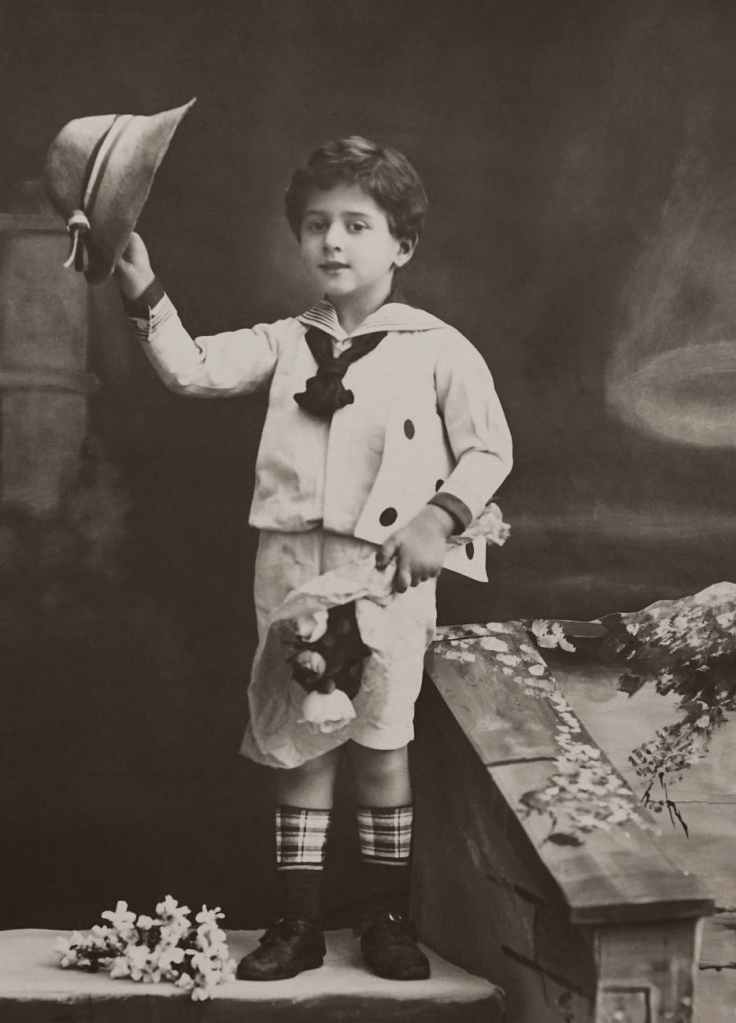
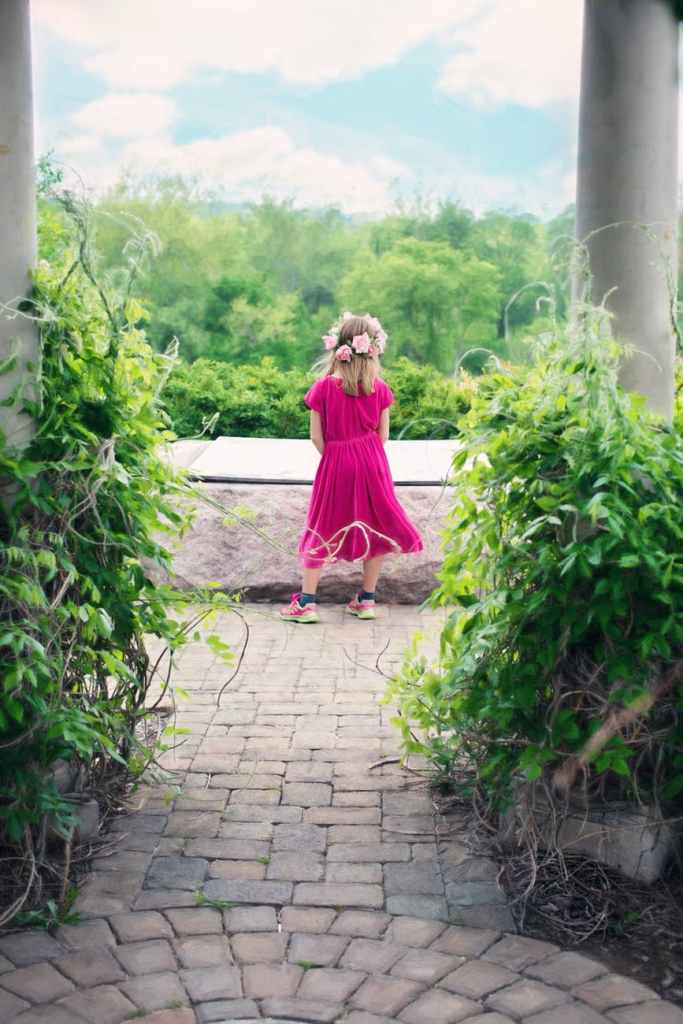
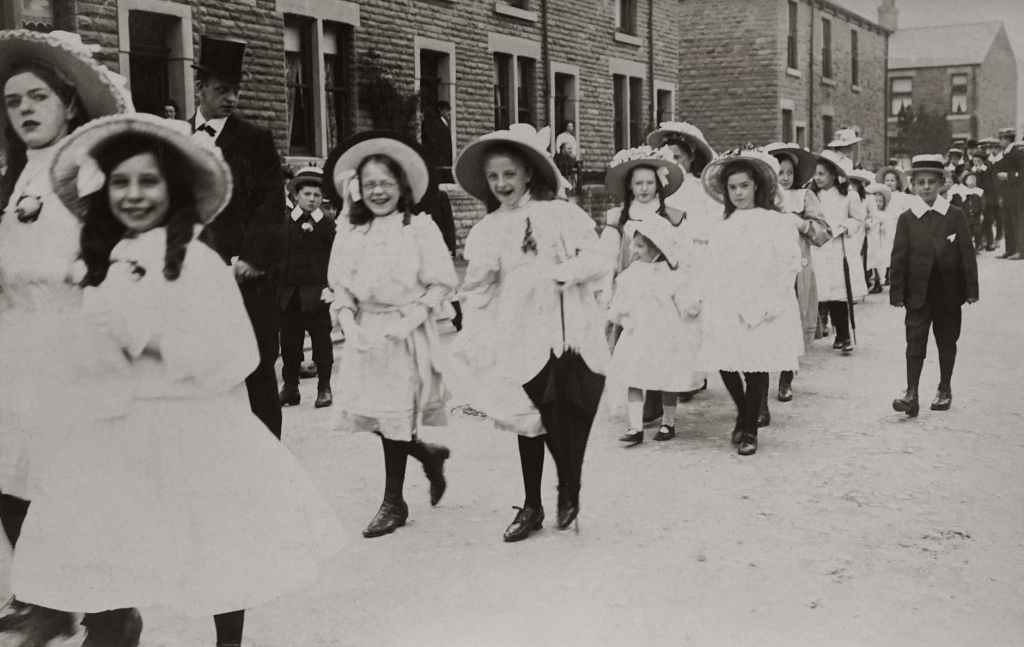
Historically Western children’s fashion had a very distinctive look and was used to display the social class and age of a child. Younger children often wore dress like garments, regardless of their gender and limitations on the length and style of garments for children of different ages was adhered to. As children got older, boys and girls clothing became far more distinct and often included elements that were more focused on look over comfort as children began to be dressed in clothing very similar to that of adults of the era.

Societal Values in What’s Trending

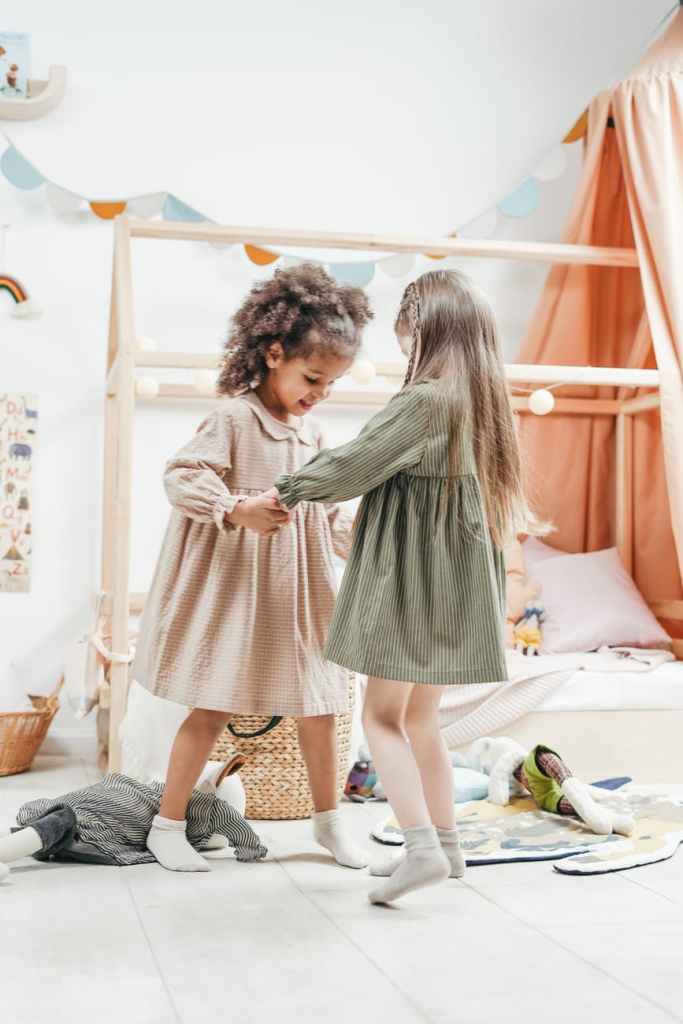
Much like the wider fashion market, children’s wear has been constantly changing and evolving. In recent years, gender neutral children’s clothing has skyrocketed in popularity, reflecting a change in attitude around gender in the wider society. Folk inspired clothing in the children’s market has also seen a comeback with many parents opting away from the bright colours and bold prints that were popular in the children’s wear market in the early 2000s.

Comfort and Money

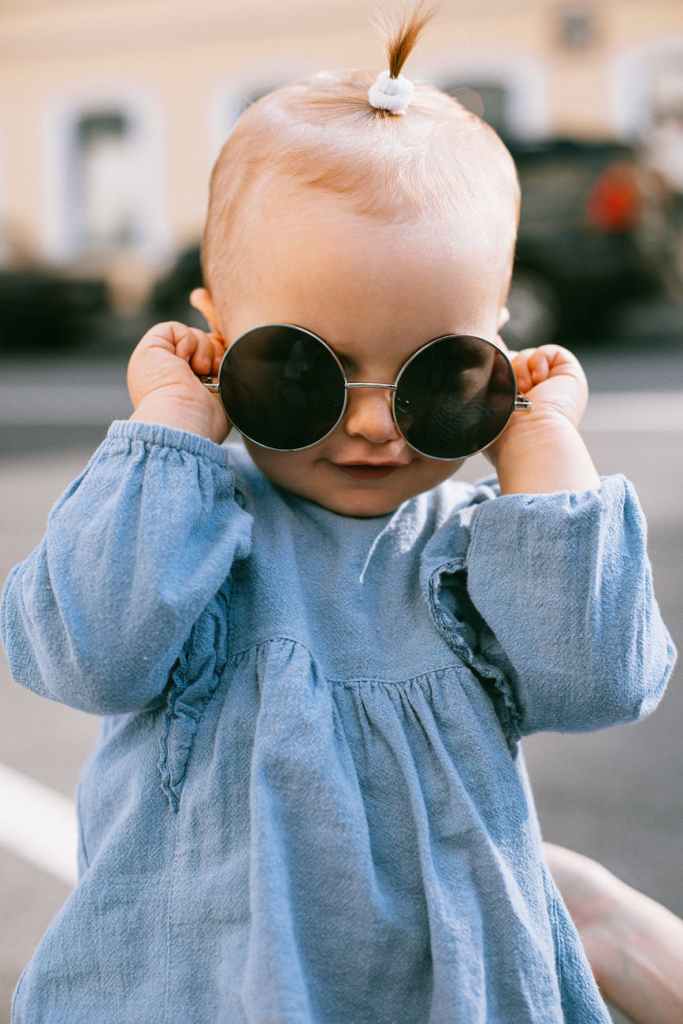
Clothing is now far more focused on comfort, and with a greater understanding of how children grow and develop, children’s clothing is far less restrictive and made of softer materials than it historically has been. The rise of fast fashion has meant that children now have more clothing items than they historically have and sharing clothing between siblings is far less common than it once was. A growing concern for the environment has meant that the popularity of natural fibres and hand made clothing has grown.
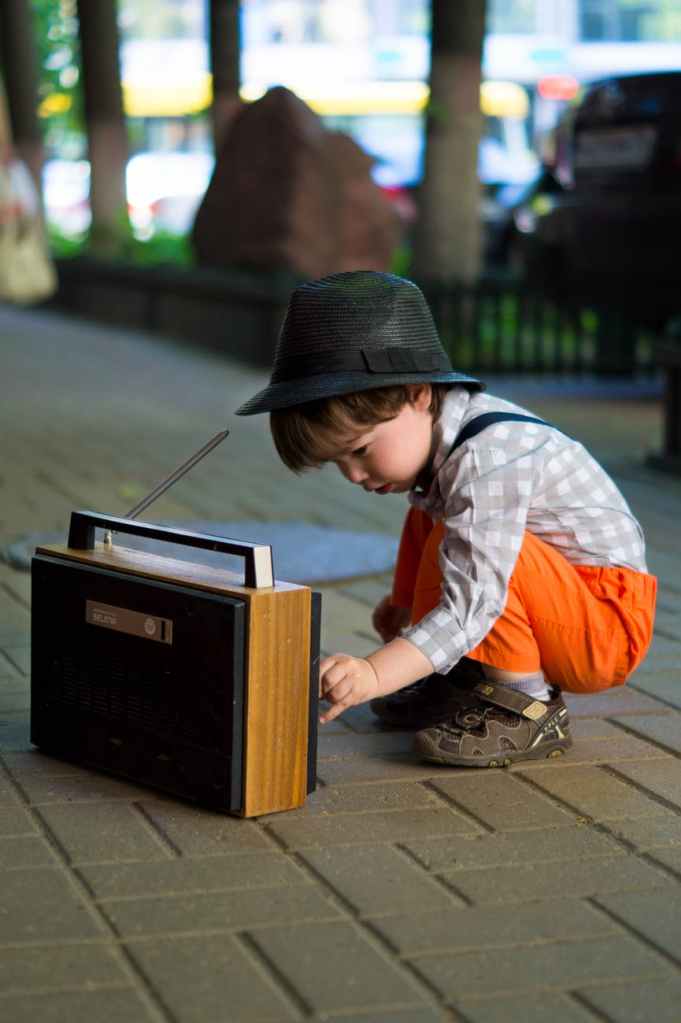

The childrens fashion market is now a highly lucrative field, as of 2020 it was outperforming the adult fashion market and as of 2017 was worth an estimated 203 billion US dollars. Almost all big name brands now include a children’s line with companies like Dolce and Gabbana cashing in on the mini me trend and adapting their adult clothing for children.

The children’s fashion market is one that is constantly changing and evolving, from the strict limitations of the past to the folk inspired trends of today. The value of this market truly shows the impact of this industry on society. The clothes we choose for our children shows the views and values of our society and helps shapes the beliefs of the next generation.
Here Comes the Bride

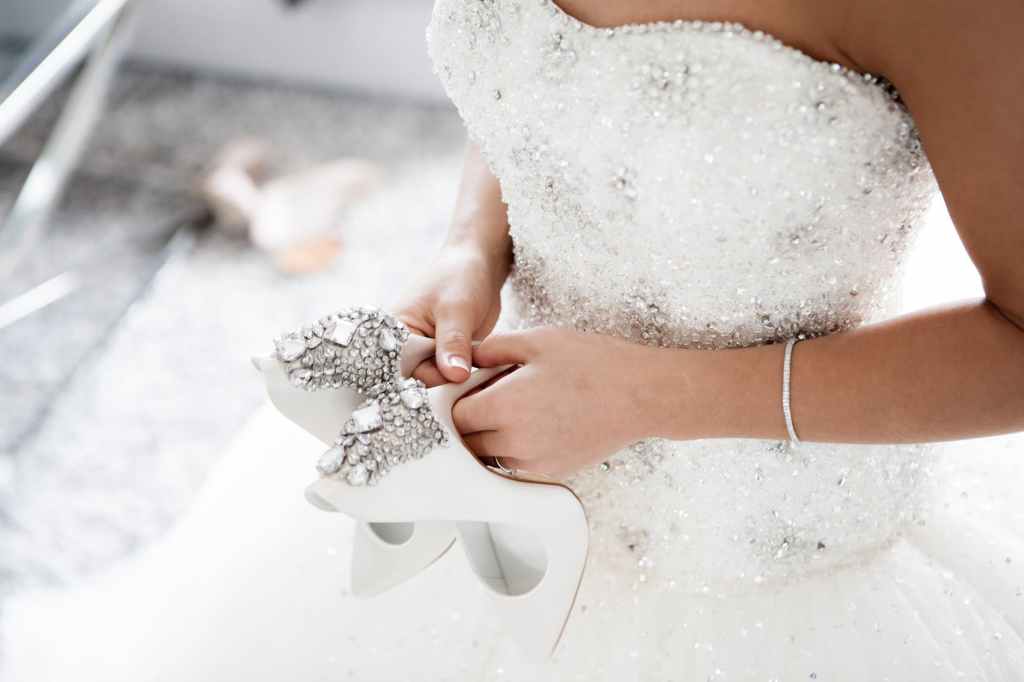
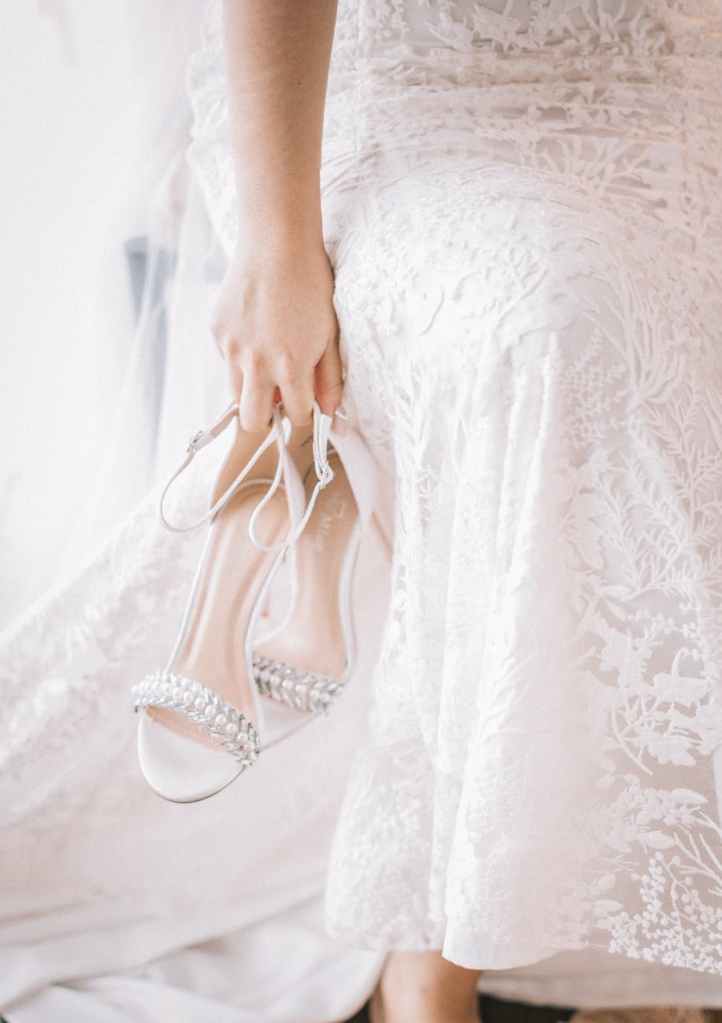
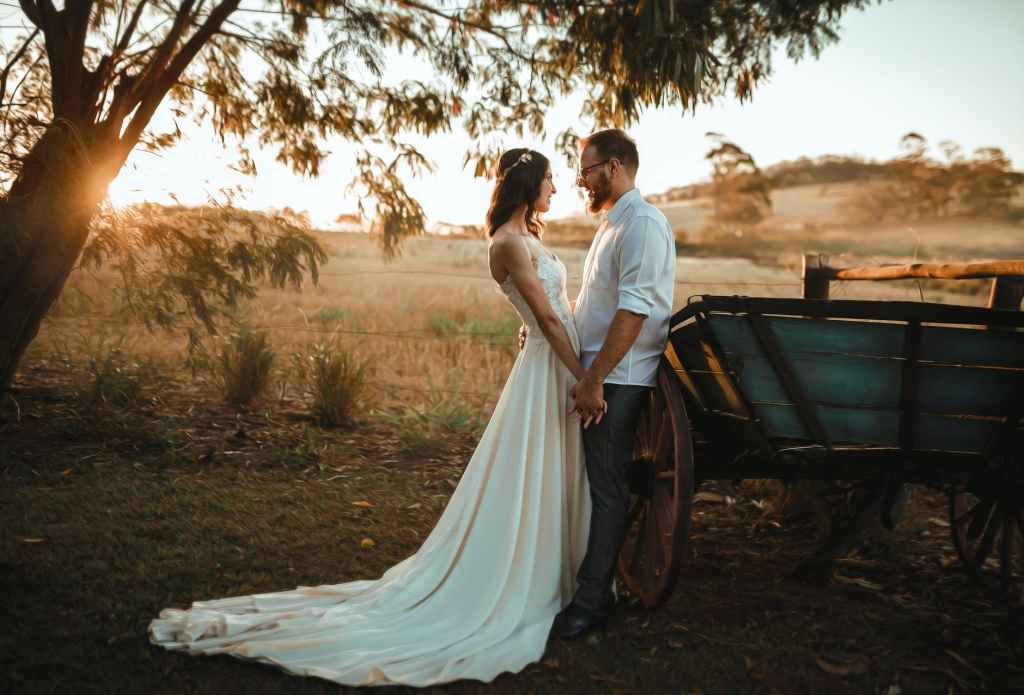
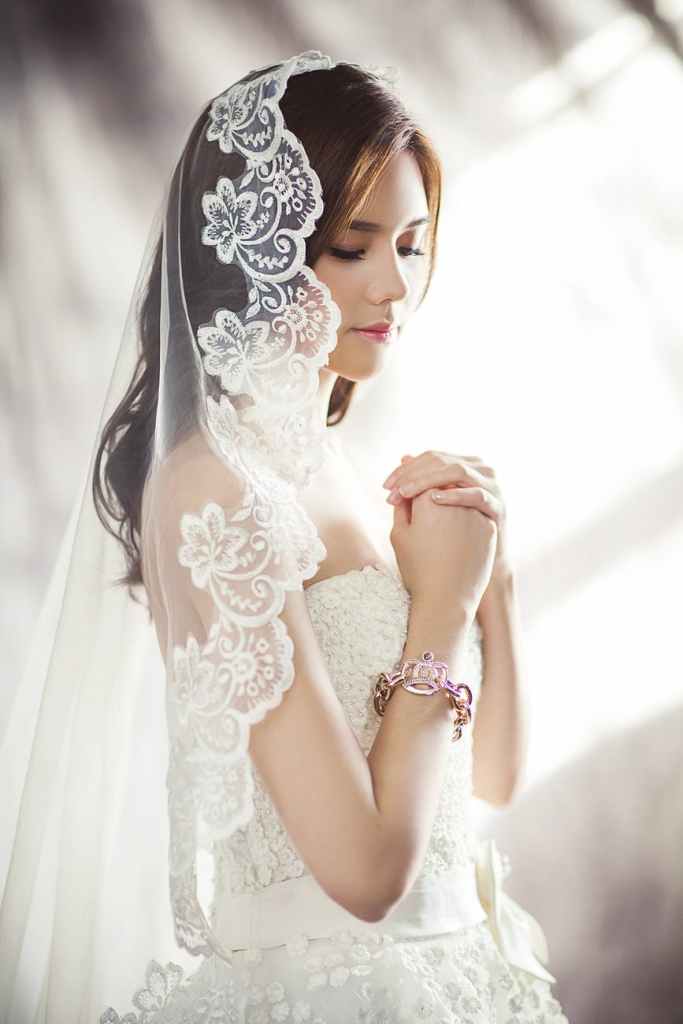
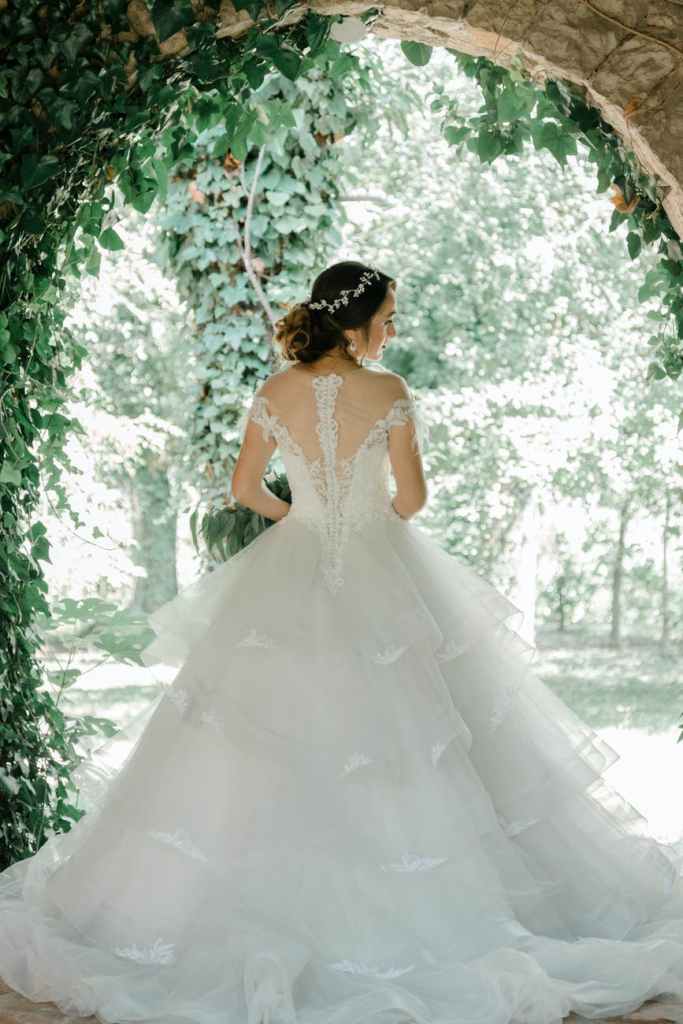
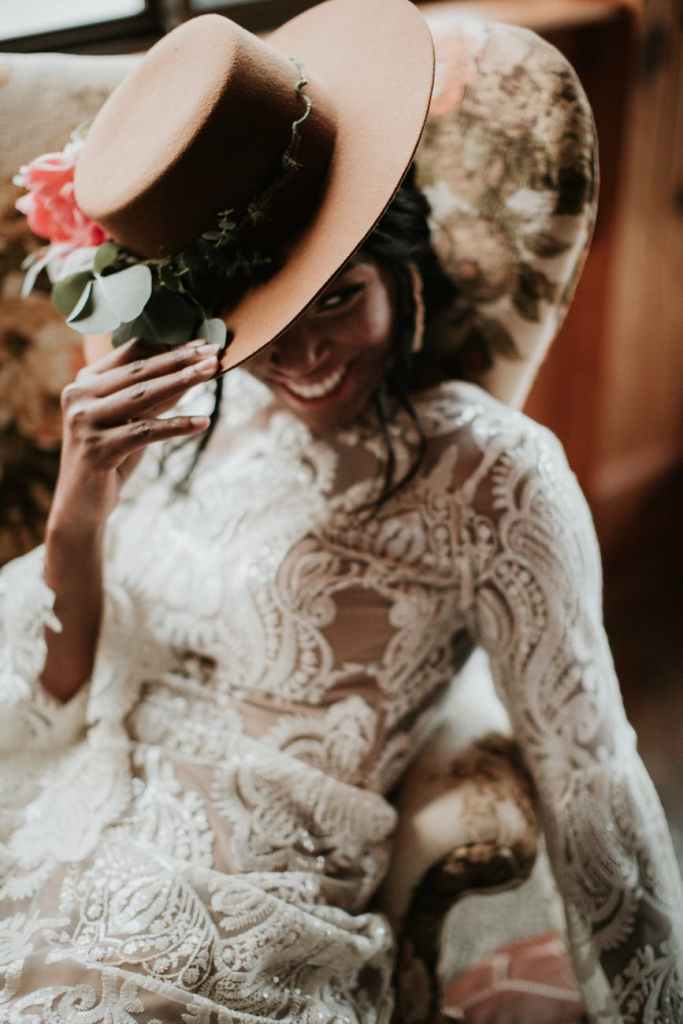
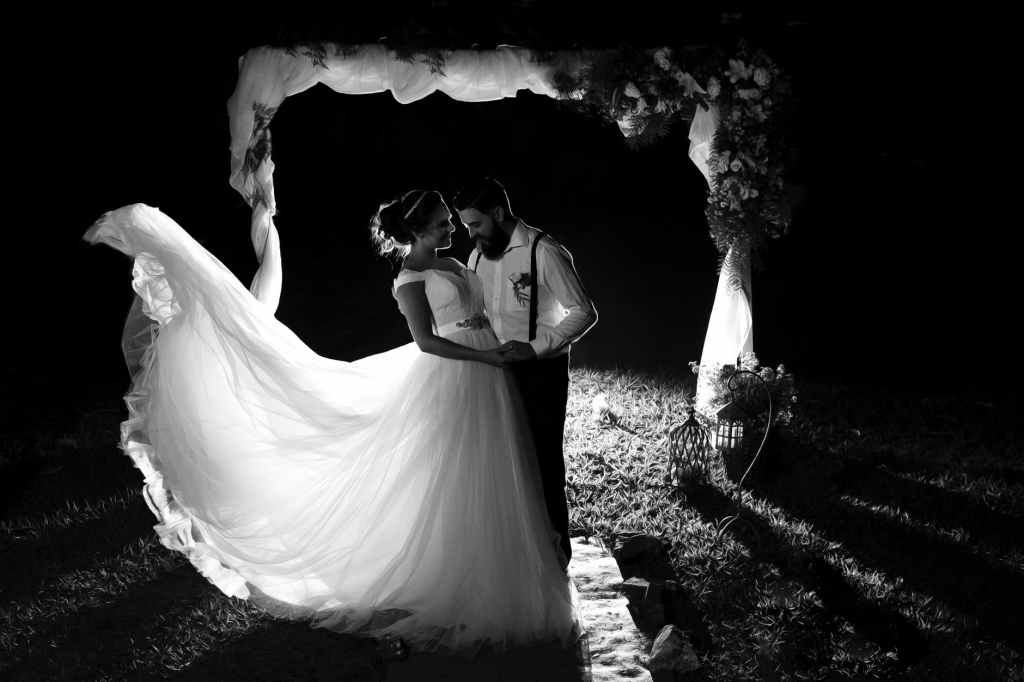
There are few clothing items more iconic than the wedding dress. A symbol of love and commitment that is recognised around the world, a garment that is often one of the most expensive pieces of clothing someone will ever buy. Wedding dresses are handed down through generations, adored by brides and cherished for a lifetime. The wedding dress industry is also one that is predicted to reach a worth of 43.5 billion US dollars by 2022.

So how did this humble dress become one of the most recognisable fashion pieces around the world?

Prior to the Victorian era wedding dresses were not associated with being white. Brides would marry in dresses of any colour, with black particularly popular in Scandinavia.

The material was of high importance and as many weddings were created more for political, economical and social advancements, wedding dresses were seen as way to show the wealth and standing of the bride’s family.

Dresses were often in rich colours and made of expensive fabrics such as velvet, silk and often incorporated furs. Brides from poor families would marry in their best church clothes, these being of a variety of colours and fabrics.

The Rise of the White Wedding Dress

The first recorded instance of a white wedding dress being used by royalty or the upper class was at the wedding of Phillipa of England in 1406. Queen Mary of Scots is also recorded to have worn white as this was her favourite colour, however this was unusual as in France at the time white was considered a colour for mourning.

We can thank Queen Victoria though for the popularity of the white wedding dress. In 1840, Victoria wore a white dress to her wedding to Prince Albert and when illustration of the wedding were published, demand for white wedding dresses surged.

Since the 1840s, in most Western cultures white or ivory has been the colour of choice for wedding dresses. Although the popularity of the white dress has endured, styles of wedding dresses have been influenced by trends of the time. The most popular current style is sleeveless or strapless.

Weddings Around the World

Although globally recognisable, white wedding dresses do not hold as much acclaim everywhere in the world.

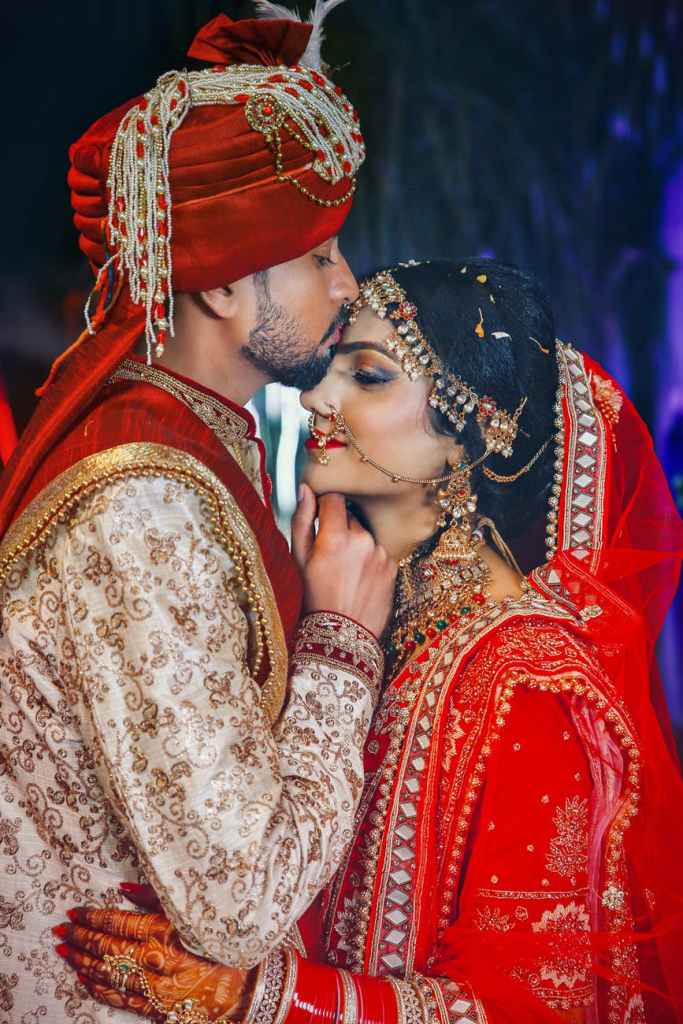
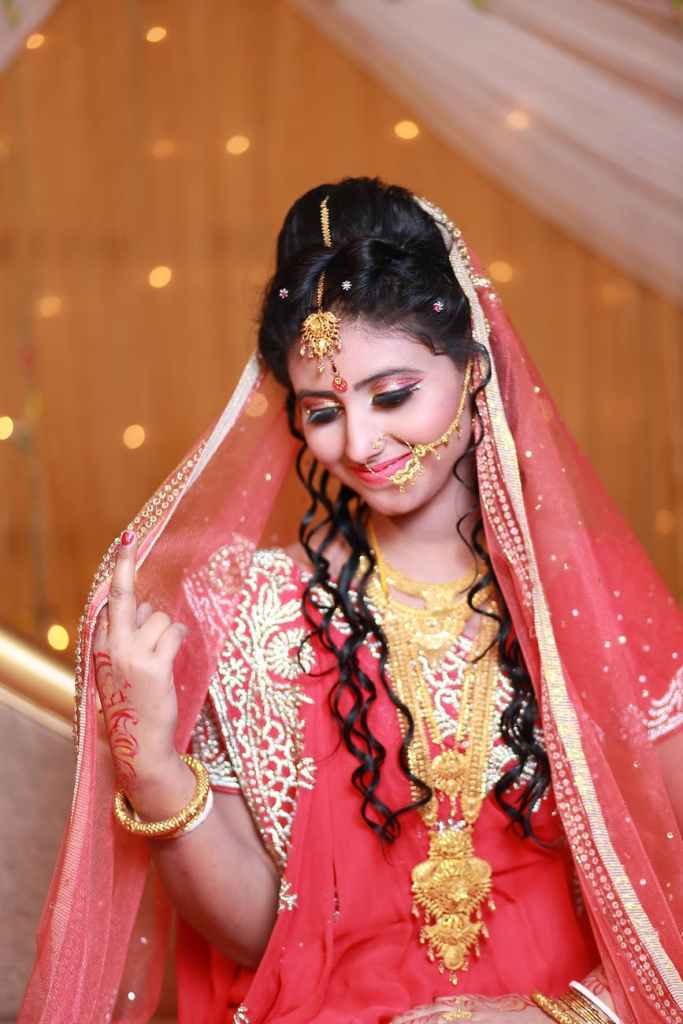
In Mexico red is a popular colour for wedding dresses and in China, India and Pakistan wedding attire is also often red.

However global demand for white dresses has been growing around the world since the late 1800s.

The wedding dress is one of the most recognisable pieces of fashion in the world. Influenced by current trends, styles, and prominent members of society it has adapted and changed throughout history but remains unrivalled in its place within the fashion world. A multi-billion dollar industry, the iconic wedding dress is likely to be around for a long time yet to come.

The Cost of Style

From our Instagram feeds to high street stores to motorway billboards, it seems that the fashion industry is everywhere. An industry that has seen unprecendented growth in recent years, the fashion sector is now a giant worth over 700 billion dollars.

An industry that adapts with a rapidly changing world, the fashion sector has been adopted into global societies, influenced world movement and reflected societal views across the world.


One particular section of this industry though that has made an astronomical rise in the last decade is the world of fast fashion. The fast fashion movement has taken the world by storm, has changed consumer habits and built global enterprises. Names of fast fashion companies are known on every continent and found in cities around the world. Fast fashion is big business.

But what is the cost of this fashion model of more for less?

The Ugly Underbelly of Unsustainable Fashion

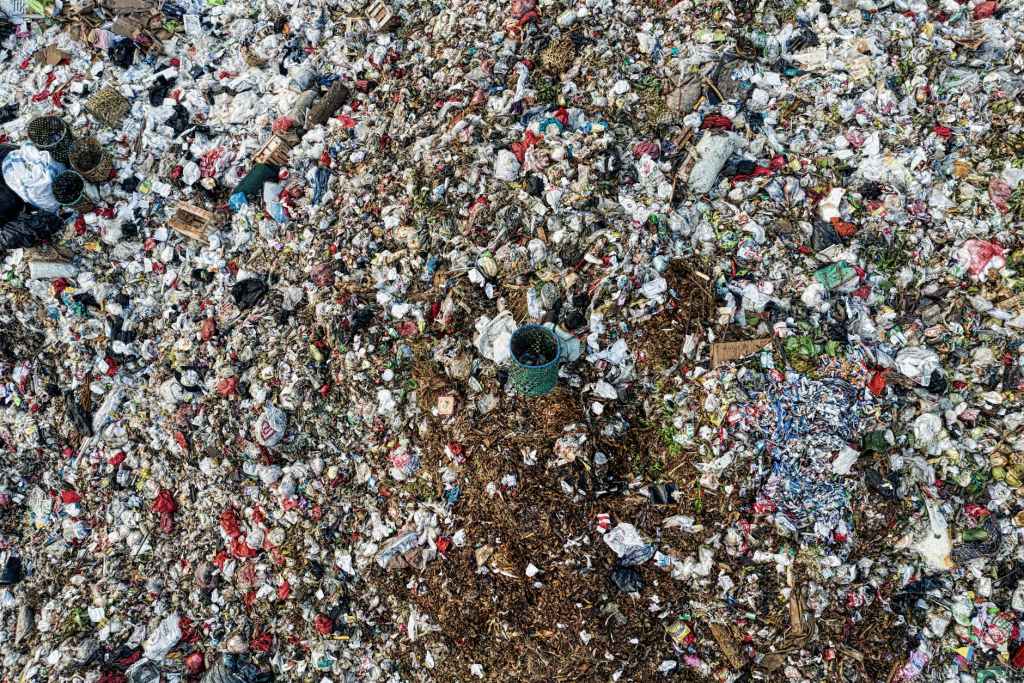
Fashion is also one of the most polluting industries in the world. The fashion and clothing sector is the seconded highest consumer of water resources, while pollution from the fashion industry can be found at every level of production. From the pollutants involved in creating the fibres, making the garments and waste produced from clothing items that are thrown away, fashion produces billions of tonnes of landfill each year.

The demands of fast fashion have led to increases in production and waste products around the world with the average American buying triple the amount of clothes annually than the annual average clothing consumption of the 1960s.

Fast fashion allows consumers to buy generally lower quality clothes at lower prices far more frequently, with clothes often lasting for shorter periods of time and companies producing multiple fashion collections every year. This rapid turn around of clothing means that the fashion industry now produces ten percent of global emissions and is the second highest consumer of water of any industry.

The rise of synthetic fibres has created another challenge with fabrics like polyester contributing to microplastic pollution in waterways.

The burning of excess clothing produced by companies in a bid to meet rapid and changing demand creates an average of 1.2 billion tonnes of CO2 each year.

Societal Shifts

There is however, change in sight.

Adopting practices like shopping vintage, recycling clothing and investing in quality clothing are all ways to help lower the fashion industry’s environment impact.

With a growing global awareness of the impacts of climate change, industries are beginning to change their practices to include more sustainable operations. Growing popularity of sustainable fashion and the environmentally conscious consumer is putting pressure on companies to improve sustainability practices and limit their effects on the environment.

Fashion has always been at the forefront of innovation and an industry that champions creativity and problem solving. While the currently the fashion industry has generally negative effect on the natural world, change is coming. Companies are finding new ways to meet consumer demands while minimising their negative impact on the environment. Making a sustainable future that is fashionable for us all.

The Power of What we Wear

It is no secret that what we wear has a profound power. It is a way for us to speak to the world without uttering a word.
First donned over a hundred thousand years ago, clothing was originally created to shield us from the elements, bringing our distant ancestors warmth, comfort and protection. Clothing today, of course, still serves this primary purpose, we buy jackets in the winter to keep us warm and in the summer find the newest hat to protect us from the sun.

Clothing though, has evolved to be so much more than this. What we choose to wear has become its own kind of silent language. It has the power to tell the world who we are, it is a form of  expression that can cross any language barrier. It can be a part of the narrative of a person that can be carried across the world in a photograph or preserved through time.

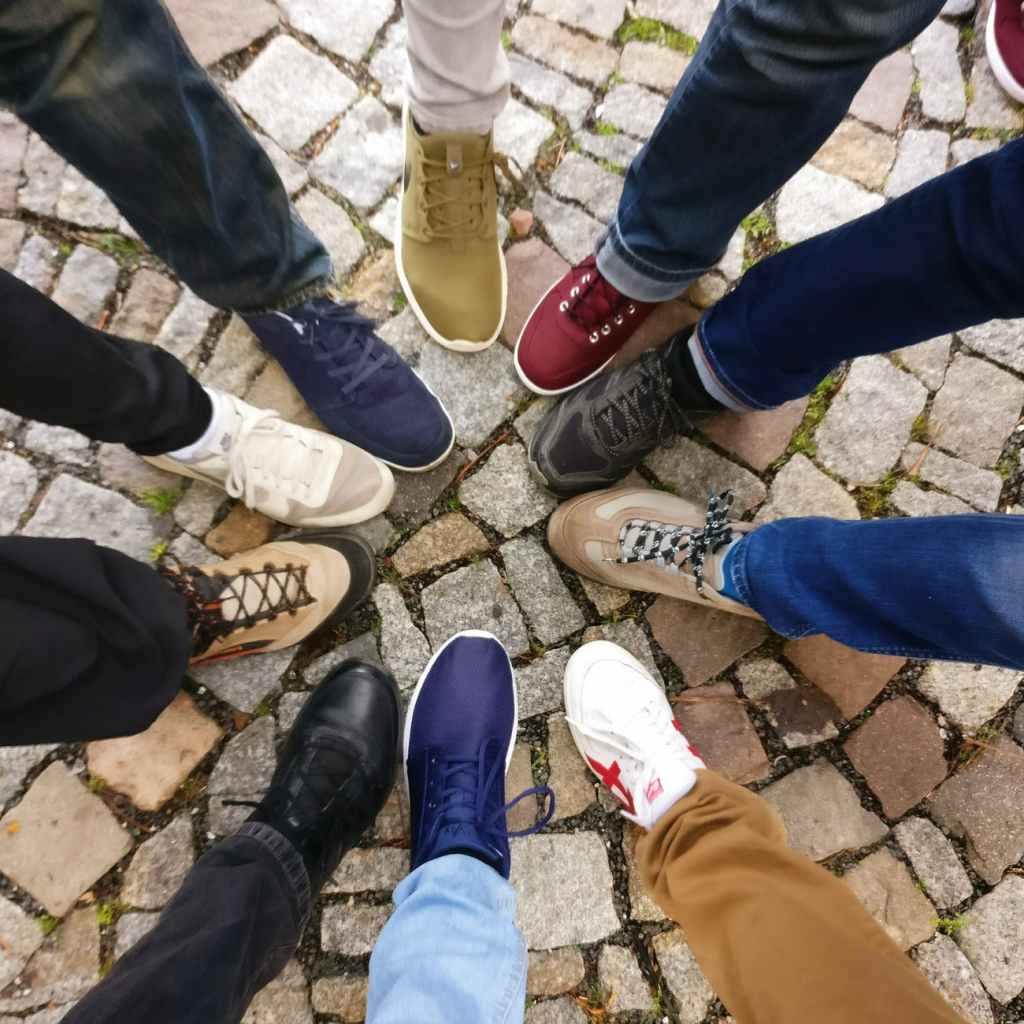
Clothing can be used to represent the views of society and to make a statement about what we value and believe in. As Ralph Lauren said, fashion is about something that comes from within you. Fashion, at its core is not an external factor that we add but a way to make external something that is inside of us. Whether we choose to step out in stilettos or sneakers, a kaleidoscope of mismatched colours or black and white, a biker jacket or a sun dress, we are saying something about ourselves.
In this powerfully silent form of communication we speak to the world and in doing so connect with it.

And that, is something pretty amazing that came from needing to stay warm in the winter.

Design a site like this with WordPress.com
Get started