From our Instagram feeds to high street stores to motorway billboards, it seems that the fashion industry is everywhere. An industry that has seen unprecendented growth in recent years, the fashion sector is now a giant worth over 700 billion dollars.
An industry that adapts with a rapidly changing world, the fashion sector has been adopted into global societies, influenced world movement and reflected societal views across the world.
One particular section of this industry though that has made an astronomical rise in the last decade is the world of fast fashion. The fast fashion movement has taken the world by storm, has changed consumer habits and built global enterprises. Names of fast fashion companies are known on every continent and found in cities around the world. Fast fashion is big business.
But what is the cost of this fashion model of more for less?



The Ugly Underbelly of Unsustainable Fashion
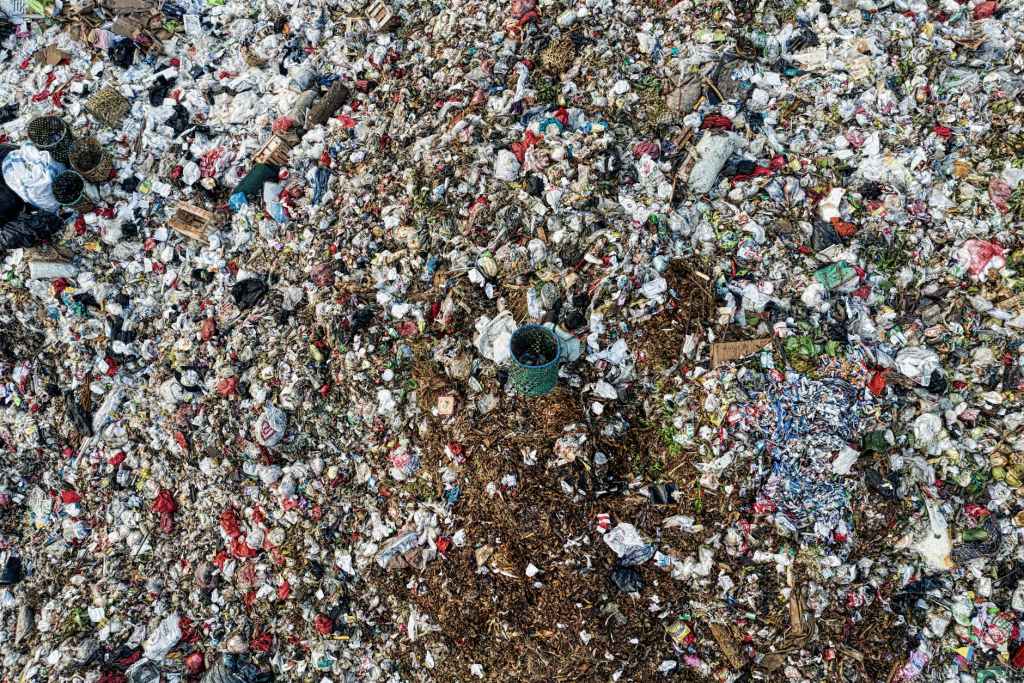
Fashion is also one of the most polluting industries in the world. The fashion and clothing sector is the seconded highest consumer of water resources, while pollution from the fashion industry can be found at every level of production. From the pollutants involved in creating the fibres, making the garments and waste produced from clothing items that are thrown away, fashion produces billions of tonnes of landfill each year.
The demands of fast fashion have led to increases in production and waste products around the world with the average American buying triple the amount of clothes annually than the annual average clothing consumption of the 1960s.
Fast fashion allows consumers to buy generally lower quality clothes at lower prices far more frequently, with clothes often lasting for shorter periods of time and companies producing multiple fashion collections every year. This rapid turn around of clothing means that the fashion industry now produces ten percent of global emissions and is the second highest consumer of water of any industry.
The rise of synthetic fibres has created another challenge with fabrics like polyester contributing to microplastic pollution in waterways.
The burning of excess clothing produced by companies in a bid to meet rapid and changing demand creates an average of 1.2 billion tonnes of CO2 each year.

Societal Shifts
There is however, change in sight.
Adopting practices like shopping vintage, recycling clothing and investing in quality clothing are all ways to help lower the fashion industry’s environment impact.
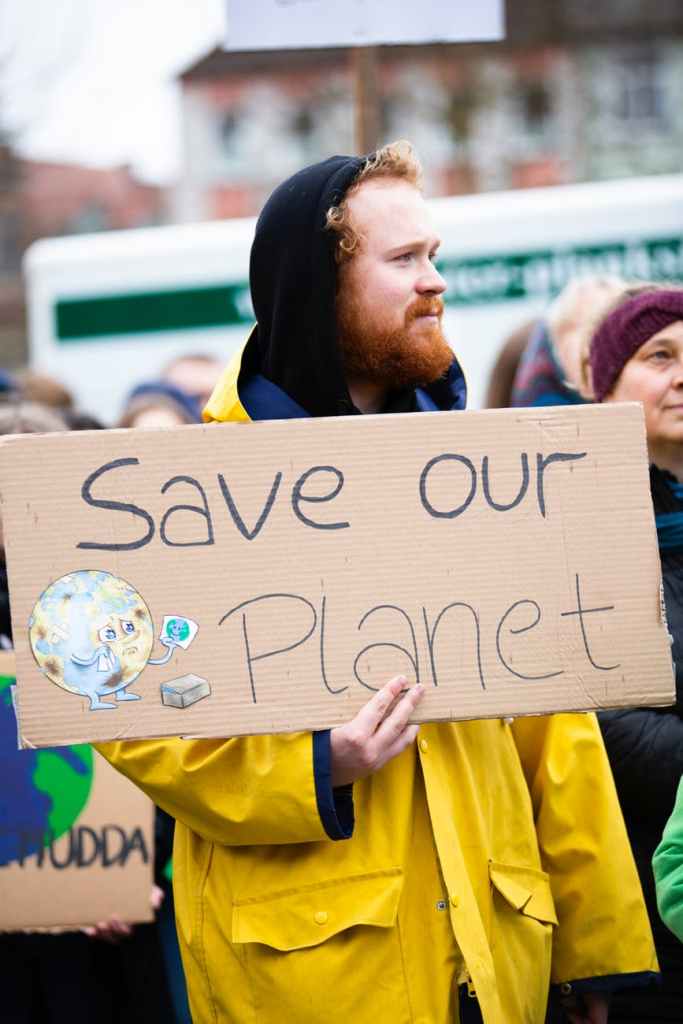
With a growing global awareness of the impacts of climate change, industries are beginning to change their practices to include more sustainable operations. Growing popularity of sustainable fashion and the environmentally conscious consumer is putting pressure on companies to improve sustainability practices and limit their effects on the environment.
Fashion has always been at the forefront of innovation and an industry that champions creativity and problem solving. While the currently the fashion industry has generally negative effect on the natural world, change is coming. Companies are finding new ways to meet consumer demands while minimising their negative impact on the environment. Making a sustainable future that is fashionable for us all.
 The Look